

Audiobook vs Ebook Marketing: Where Should Authors Focus?

Audiobook vs ebook marketing is not simply a choice between listening and reading. Each format creates a different reader experience, purchase path, sample, price context, and promotional asset. Authors should focus first on the format that best matches the book, the available audience evidence, and the campaign they can execute consistently. A format may be growing in attention without automatically being the right first investment for every title.

The useful question is not which format is universally better. It is which format offers the clearest reader promise now. A strong audiobook campaign needs good audio, accurate availability information, compelling listening samples, and channels where listeners can discover it. A strong ebook campaign needs a clear product page, readable sample, useful metadata, and a low-friction path from interest to purchase.
What audiobook marketing does well
Audiobook marketing can make the voice, performance, pacing, and listening experience part of the appeal. That creates assets an ebook cannot reproduce in the same way, such as a short approved audio sample, a narrator conversation, or a discussion of how the performance interprets the work. These materials are useful only when the recording quality and rights are settled.
Audio may suit readers who discover books while commuting, exercising, travelling, or completing routine tasks. Authors should not assume that every follower is an audiobook buyer, however. Confirm where relevant listeners spend time, which storefronts or library services carry the title, and whether the call to action leads to the correct edition in the visitor's region.
What ebook marketing does well
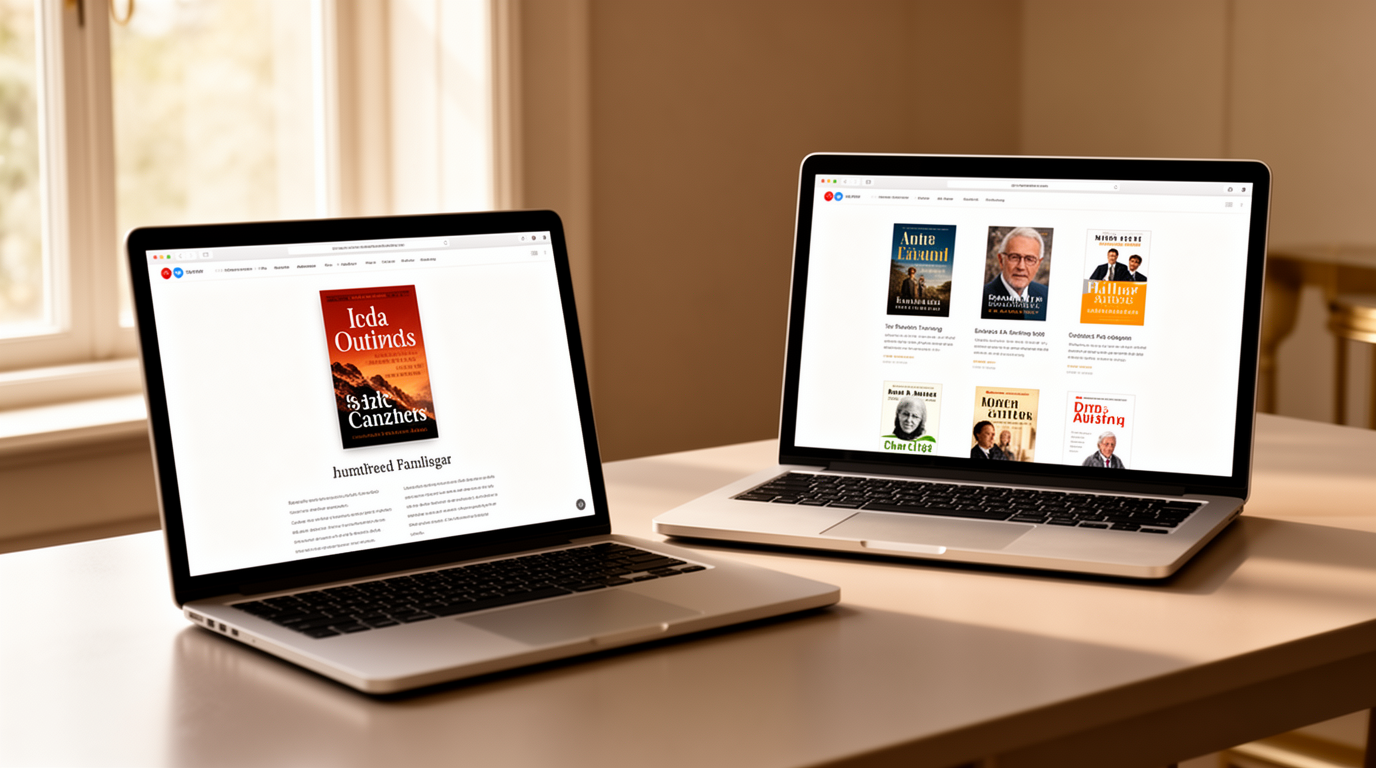
Ebook marketing usually offers a direct visual path: cover, description, sample, price, categories, keywords, and purchase button can appear together. It is easier to quote short passages in context and connect articles, newsletters, or social posts to a readable sample. The format can also support quick testing of page messaging without changing the book itself.
The apparent simplicity can hide conversion problems. A weak description, mismatched cover, confusing category choice, or poor mobile page can waste traffic. Before increasing promotion, open the page as a reader, check the sample and formatting, verify the price and territorial availability, and make sure the edition information is consistent across the author website and retailers.
Start with the book and audience fit
Genre and use case matter. Narrative voice, dialogue, memoir, performance-led fiction, and some nonfiction may create an obvious audio hook. Reference-heavy books, workbooks, image-led material, or titles readers repeatedly consult may be easier to explain through the ebook experience. These are tendencies, not guarantees, so use actual reader questions and sales data where available.
Review messages, event conversations, newsletter replies, retailer reports, website searches, and support questions. Look for evidence that people ask how to listen, how to read immediately, where to find a sample, or which format contains the material they need. Do not turn a handful of enthusiastic comments into a market-size claim.
Compare the assets each campaign requires
An audiobook campaign needs verified audio rights, production credits, approved samples, accurate retailer links, suitable artwork, and a consistent way to describe the listening experience. If a narrator or producer is mentioned, use only approved factual information. Never imply endorsements, availability, awards, or partnerships that cannot be confirmed.
An ebook campaign needs a strong cover at thumbnail size, a clear description, clean interior formatting, accurate metadata, a useful sample, and reliable purchase links. Both formats benefit from an author website or landing page that explains the choice and routes readers without forcing them to search through several unrelated pages.
Choose a measurable campaign goal
Define what the campaign should change. The goal might be more qualified visits to an audiobook page, more completed ebook samples, stronger email interest in a format, or clearer evidence about which audience segment responds. Avoid a vague goal such as creating buzz, because it encourages activity without showing what worked.
Track the closest available signals: distinct link clicks, landing-page visits, sample interactions where reported, email replies, retailer reports, or library and event questions. Platform metrics differ and privacy features can affect them. Record the date, message, channel, destination, and result so later decisions are based on evidence rather than memory.
Run a fair small test
Give each format a clear message rather than promoting both with the same generic post. For audio, lead with the listening experience and an approved sample. For ebook, lead with immediate readability, a relevant passage, or the practical benefit of the digital edition. Keep the audience and timing comparable enough to learn from the response.
Change one important variable at a time. If the format, price, headline, audience, and destination all change together, the result will not explain why one campaign performed differently. A short disciplined test can inform a larger plan without forcing the author to spend heavily before the purchase path is proven.
When to promote both formats
Promoting both can make sense when each format is fully ready, the audience genuinely uses both, and the campaign can explain the difference without clutter. A central book page can present the options clearly and let readers choose. Use descriptive buttons or linked text rather than a wall of retailer URLs.
Sequence the work if resources are limited. Start with the format that has the strongest product quality and clearest audience signal. Review the result, repair any friction, and then add the second format with a distinct purpose. Expanding after a clean test is more useful than dividing attention from the beginning.
A practical recommendation
Prioritize audiobook marketing when the audio performance is a compelling part of the product, distribution is verified, and relevant listeners can be reached with strong samples. Prioritize ebook marketing when the digital reading experience, metadata, sample, and purchase path are ready and the audience signal is stronger there.
Brand My Book can help authors examine positioning, discoverability, and the path readers follow before a larger campaign begins. The best format plan is truthful, easy to understand, and connected to a real audience need rather than a trend alone.
Frequently Asked Questions
Should authors market the audiobook or ebook first?
Start with the format that is fully ready, has the clearest audience evidence, and offers the easiest trustworthy path from interest to purchase or borrowing.
Can the same ad promote both formats?
It can, but one message often becomes vague. Separate creative and destinations usually make the format benefit and next step easier to understand.
Do audiobook samples help marketing?
An approved, representative sample can help listeners judge voice and performance. Confirm rights, length, quality, and platform rules before sharing it.
What should an ebook campaign link to?
Link to a verified book page or retailer destination that clearly shows the correct ebook edition, description, price, sample, and availability.
Are audiobooks always more expensive to market?
Not always. Compare the complete cost of production, assets, distribution, advertising, outreach, and the author's time rather than one line item.
How can authors compare format demand?
Use retailer reports, website behavior, distinct links, email replies, event questions, and reader requests. Treat small samples cautiously and avoid unsupported conclusions.
Should authors discount an ebook to support an audiobook?
Only when the pricing change serves a defined strategy and follows current retailer rules. Avoid changing several variables during the same test.
Can one landing page support both formats?
Yes. A clear landing page can explain each option and use descriptive links so readers choose the edition that fits them without confusion.
Comments