

Book Club Outreach vs Influencer Outreach: Which Builds Better Word of Mouth?

Book club outreach vs influencer outreach is a choice between depth and potential reach. Clubs can create sustained discussion among committed readers, while creators can introduce a title to an established audience quickly. The stronger route is the one with verified reader fit and a clear, respectful offer.

Book Club Outreach vs Influencer Outreach: The Short Answer
Book club outreach builds depth. A small group may read the entire book, discuss it over time, recommend it personally, and invite the author into a meaningful conversation. Influencer outreach can build speed and visibility by placing the book in front of an established audience, but attention may be brief and results depend heavily on audience fit.
Neither route guarantees sales, reviews, or lasting word of mouth. Book clubs require relevance, patience, and materials that support discussion. Influencer outreach requires careful research, respectful pitching, and a book that fits the creator’s subject, genre, format, and audience expectations.
For most authors, the better starting point is the channel where genuine fit can be verified. Ten relevant book clubs or creators are usually more useful than hundreds of generic contacts. The decision should follow the reader, not the size of the contact list.
What Book Club Outreach Does Best
Book clubs create concentrated reading experiences. Members often discuss characters, themes, arguments, and emotional reactions in more depth than casual browsers. When a book genuinely fits the group, that conversation can produce thoughtful recommendations and useful feedback about how readers describe the work to others.
The format is especially valuable for books with discussable themes, moral choices, layered characters, practical frameworks, local relevance, or strong questions. Fiction and nonfiction can both work, but the author should make it easy for the organizer to understand why the title suits the group.
The limitation is scale. Each club has its own calendar, selection process, reading pace, and preferences. A positive response may lead to a modest number of readers rather than a visible spike. Authors who expect instant volume may overlook the longer value of trust and personal recommendation.
What Influencer Outreach Does Best
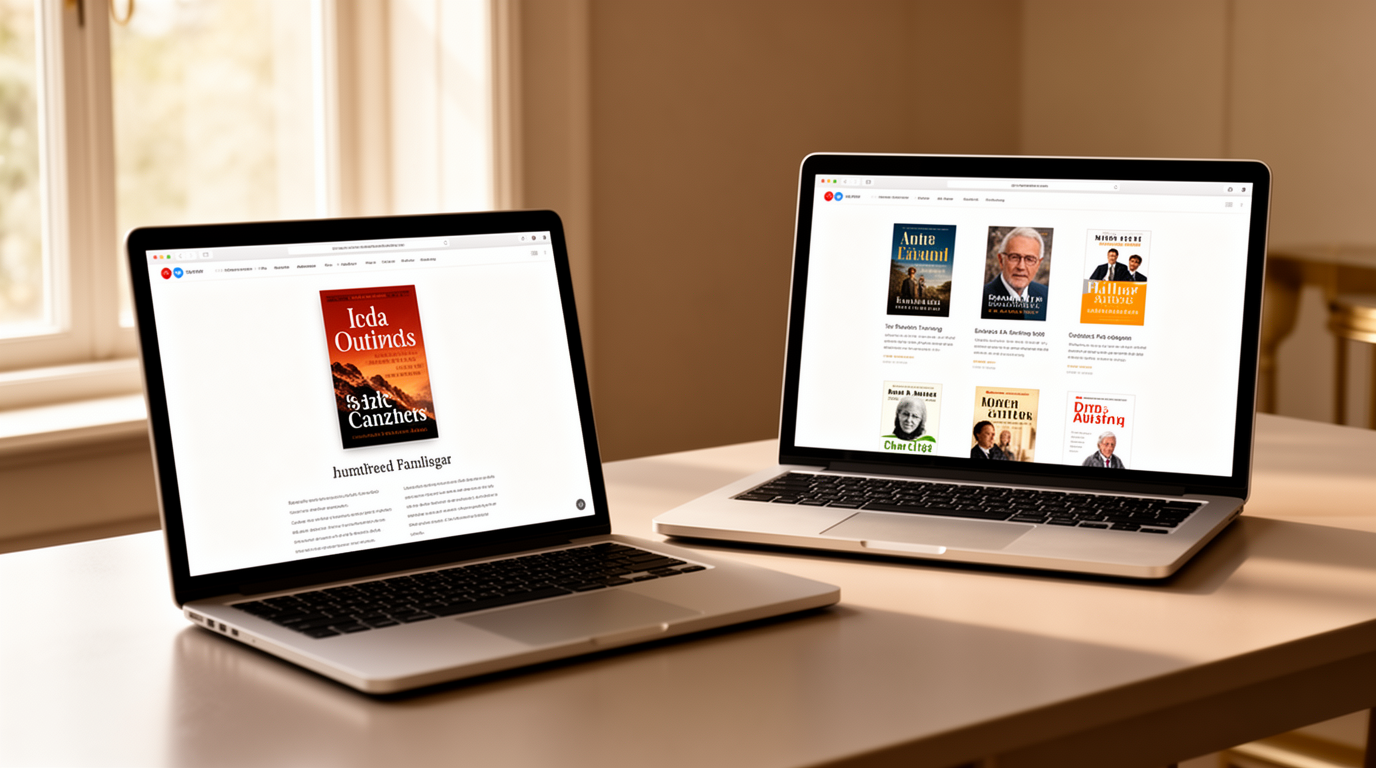
Book-focused creators can introduce a title to readers who already follow them for recommendations. A strong match may generate rapid discovery, visual content, conversation, and searchable references to the book. Creators can also reveal which angle, quote, theme, or format catches audience attention.
Reach alone is not enough. A creator with a smaller, engaged audience in the correct genre may be more valuable than a large account with broad or unrelated followers. Authors should study recent content, disclosure practices, preferred formats, tone, and whether the creator accepts pitches before making contact.
The limitation is control and duration. A post may receive attention for a short period, algorithms can limit distribution, and a creator is never obligated to feature a book simply because a copy was sent. Respectful outreach treats the book as an invitation, not as a purchased outcome unless a transparent paid arrangement is explicitly offered and appropriate.
How to Evaluate Audience Fit
Begin with the book’s actual reader. Identify genre, subject, tone, age range, themes, comparable reading interests, and any content considerations. Then compare those details with the club’s stated selections or the creator’s recent work. Do not rely only on a label such as “book club” or “book influencer.”
For clubs, examine previous titles, meeting frequency, location or online format, and whether they host authors. For creators, examine several months of content rather than one popular post. Notice the books they finish, the discussions their audience joins, and the formats they consistently cover.
Write down the reason each contact is relevant before pitching. If the reason is simply that they talk about books, the match is too weak. A good reason names a shared genre, theme, reader problem, community interest, or format.
What to Offer a Book Club
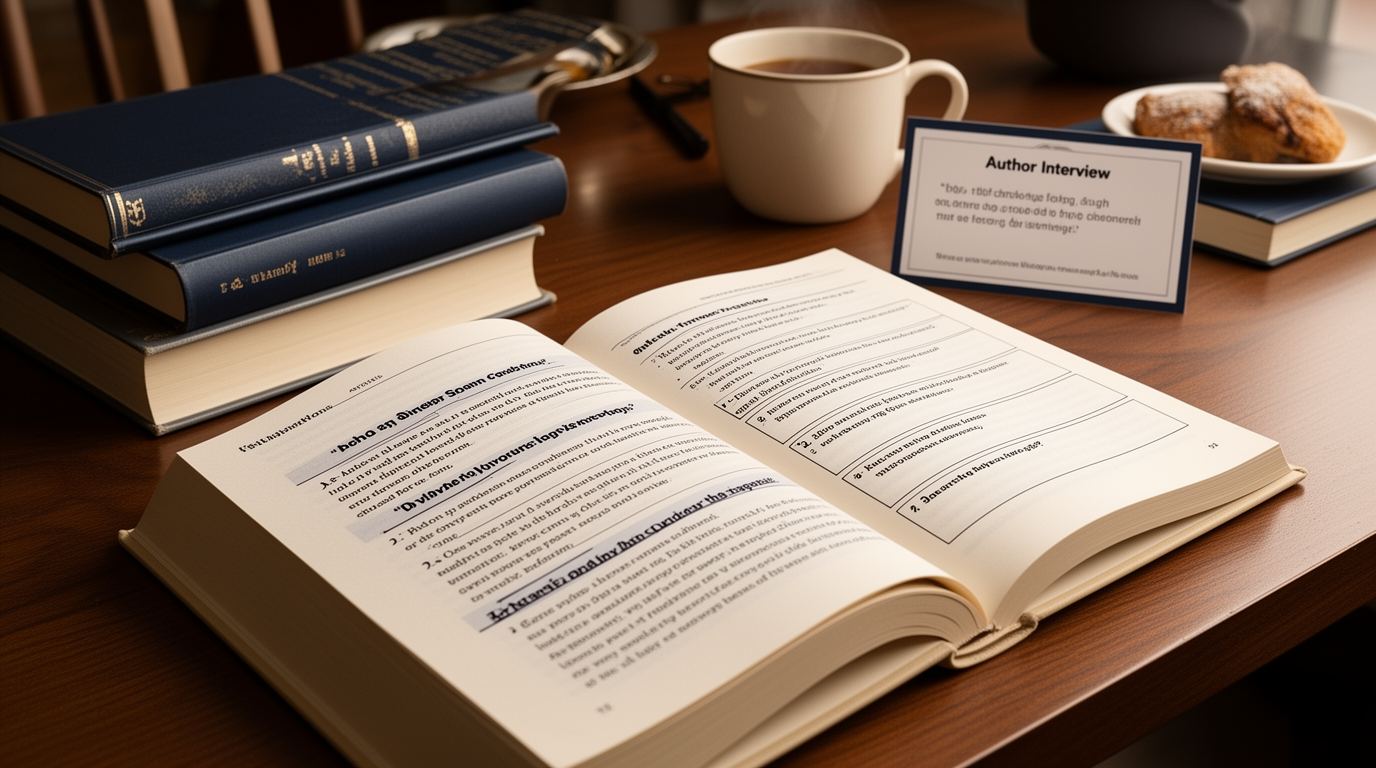
Prepare a concise description, discussion questions, edition and purchase information, and a clear note about author availability. If you can join a meeting, state the format, time zone, duration, and topics you can discuss. Keep the offer flexible and avoid assuming that participation is required.
Discussion materials should improve the reading experience rather than advertise the author. Questions can explore choices, themes, research, craft, or practical application. Avoid questions that force praise or reveal that the book must be interpreted in one approved way.
Make access straightforward. Provide legitimate retailer, bookstore, library, or ordering information relevant to the group. If discounts or bulk options exist, describe only verified arrangements. Never invent bookstore participation, library availability, or special pricing.
How to Approach Book Influencers
Read the creator’s submission guidance before contacting them. Use the requested channel, include only the information they ask for, and keep the pitch concise. Explain the specific fit, provide the book description and format options, and make it clear that there is no obligation to feature the title.
Avoid generic flattery, mass emails, pressure for positive coverage, or demands for a deadline. Do not treat a creator’s audience as an advertising asset you are entitled to use. Professional outreach respects editorial independence and acknowledges that many creators receive more books than they can cover.
If a paid opportunity is offered, evaluate the deliverables, audience fit, disclosure, usage rights, timeline, and measurement before agreeing. Payment does not make exaggerated claims or undisclosed endorsements acceptable.
Which Route Is Better at Different Stages
Before launch, book clubs can help test discussion materials and reveal how committed readers describe the book. Influencers can support early awareness when advance copies are ready and the timing fits their content process. Both require enough lead time; last-minute pitches usually reduce options.
During launch, creator coverage can create visible moments, while book club events can create deeper interactions. Authors should not measure them with the same standard. One may generate reach and profile visits; the other may generate full reads, questions, and personal referrals.
After launch, book clubs can keep a backlist title active, especially when themes remain relevant. Influencer outreach can also continue when a new angle, format, award, event, or timely conversation gives the book a truthful reason to reappear.
How to Measure Meaningful Results
Track more than post views or the number of groups contacted. Useful signals include replies, accepted invitations, sample requests, event attendance, book-page visits, retailer clicks, library requests, email sign-ups, and the quality of reader questions. Confirmed sales data may be limited, so do not label every click as a purchase.
Use distinct links for major outreach groups when possible. Keep notes about the pitch angle, date, response, format sent, follow-up, and outcome. This prevents repeated contact and helps identify patterns without turning relationships into a mechanical spreadsheet exercise.
Review which contacts created qualified engagement. A small club that invites the author back or a niche creator whose audience asks thoughtful questions may provide more lasting value than a large but passive burst of impressions.
Common Outreach Mistakes
Mass pitching is the most common problem. It wastes time, creates poor impressions, and makes it difficult to learn which audiences fit. Research fewer contacts and write shorter, more specific messages.
Another mistake is asking for a review when the real request is promotional coverage. Be transparent about what you are offering and what you hope might happen, while preserving the recipient’s freedom to decline or respond honestly.
Finally, do not begin outreach before the destination is ready. The book page, retailer listings, author information, cover, description, and contact details should be accurate. Attention cannot help if interested readers reach conflicting or incomplete information.
A Practical Recommendation for Authors
Start with one small, well-researched list: either ten book clubs with a clear thematic or genre fit, or ten creators whose recent content demonstrates the same fit. Prepare the correct materials, personalize the contact, and record responses. Expand only after the first round teaches you something.
Brand My Book helps authors connect positioning, discoverability, and promotion so outreach tells a consistent story. The goal is not to chase every visible channel. It is to help the right readers understand why the book belongs in their conversation.
Use the descriptive link below if you want to examine how your book’s public positioning and promotional assets support credible outreach.
Frequently Asked Questions
Do book clubs accept self-published books?
Some do, while others follow specific selection policies. Research each group’s past choices and submission process, then present the book professionally without assuming acceptance.
How far in advance should authors contact book clubs?
Many groups plan selections weeks or months ahead. Contact them early enough to allow consideration, ordering, reading, and scheduling, while respecting any timeline they publish.
Should authors pay book influencers for coverage?
Some creators offer disclosed paid services, while others accept only editorial pitches or review copies. Evaluate audience fit, deliverables, disclosure, usage rights, and editorial independence before agreeing to payment.
Does sending a free book guarantee an influencer post?
No. A review copy is an invitation to consider the book, not a guarantee of coverage, timing, or a positive opinion unless a separate transparent agreement states specific deliverables.
What should be in a book club discussion guide?
Include a concise book summary, thoughtful questions, relevant content notes, author information, and optional resources. The guide should support discussion rather than demand praise.
Are small book influencers worth contacting?
They can be when their audience is engaged and closely aligned with the book. Relevance and trust often matter more than follower count alone.
Can authors ask book clubs for reviews?
Authors may explain where honest reviews can be left, but should not pressure members, require reviews, or request only positive feedback. Follow the rules of the relevant retailer or review platform.
Which is better for backlist books, clubs or influencers?
Both can work. Book clubs can create sustained discussion around enduring themes, while creators can reintroduce a title when there is a timely, truthful angle. Choose based on fit and the available reason for renewed attention.
Comments