
Library Ebook License vs Ownership: What Should Authors Understand?

When an author's ebook appears in a public-library catalogue, it can feel like a familiar retail milestone: the library found the book, bought a copy, and now owns it. Digital lending is usually more complicated. A library commonly acquires permission to lend an edition under a licence offered through a publisher, distributor, aggregator, or lending platform. The permission may last indefinitely, expire after a period, end after a set number of loans, or operate under a usage-based arrangement.
Catalogue visibility, borrower access, author compensation, and long-term availability are separate questions. An author who understands the licence can evaluate a placement accurately instead of treating every catalogue record as permanent ownership or every checkout as a fresh sale.
Physical ownership and digital access are different
With a printed book, a library usually buys a physical copy it can lend repeatedly, subject to ordinary law and library policy. The copy can wear out, be withdrawn, or be replaced, but the transaction is built around a tangible object in the collection.
An ebook is delivered and controlled through software, authentication, digital-rights management, and contract terms. The library may pay for the right to lend that edition under defined conditions. A publisher or vendor can limit concurrent borrowers, licence duration, or permitted loans.
A genuine borrowable placement can expand discoverability and serve readers who prefer remote access, adjustable type, or assistive reading features. The author should still describe it precisely: licensed access through a named library or platform, verified on a particular date.
Common ebook lending models
Terms vary by publisher, distributor, platform, territory, and edition. These models are useful vocabulary for questions, not a promise that every supplier supports every option.
One copy, one user
One licensed copy serves one borrower at a time. Another reader may place a hold and wait. A library can sometimes acquire more licences to reduce the queue. This resembles physical circulation to a reader, although the underlying asset remains contractually licensed.
Metered access
A metered licence ends at a stated limit, such as a time period or number of checkouts. Continued access can require renewal. A title that was once borrowable may become unavailable without any change to its retail edition.
Simultaneous or subscription access
Some arrangements let multiple readers use a title at once, often within a subscription collection or defined period. This can reduce holds. Inclusion may depend on the platform package, library subscription, and supplier terms, so it should not be described as permanent without evidence.
Cost per circulation
In a usage-based model, a library or consortium pays when a borrower checks out or uses a title under platform rules. Authors should not assume that payment equals their royalty. Reporting and compensation still flow through the publisher or distribution agreement.
What perpetual access really means
Perpetual access is often the closest digital equivalent to an enduring collection licence, but it is not unrestricted file ownership. It generally means the library can continue lending the licensed edition without a routine time or checkout expiry. The contract may still define users, technology, territory, archival rights, and platform changes.
A careful statement avoids two mistakes: dismissing perpetual access merely because it is digital, and claiming the library owns the ebook forever in every practical sense. Say that the catalogue showed an active borrowable edition and that duration depends on the licence.
Why an ebook may disappear
A title can leave a catalogue because a term expired, a checkout allowance was exhausted, the library declined renewal, a vendor changed availability, a publisher withdrew an edition, or the library made a collection decision. A metadata record can remain searchable after borrowing stops.
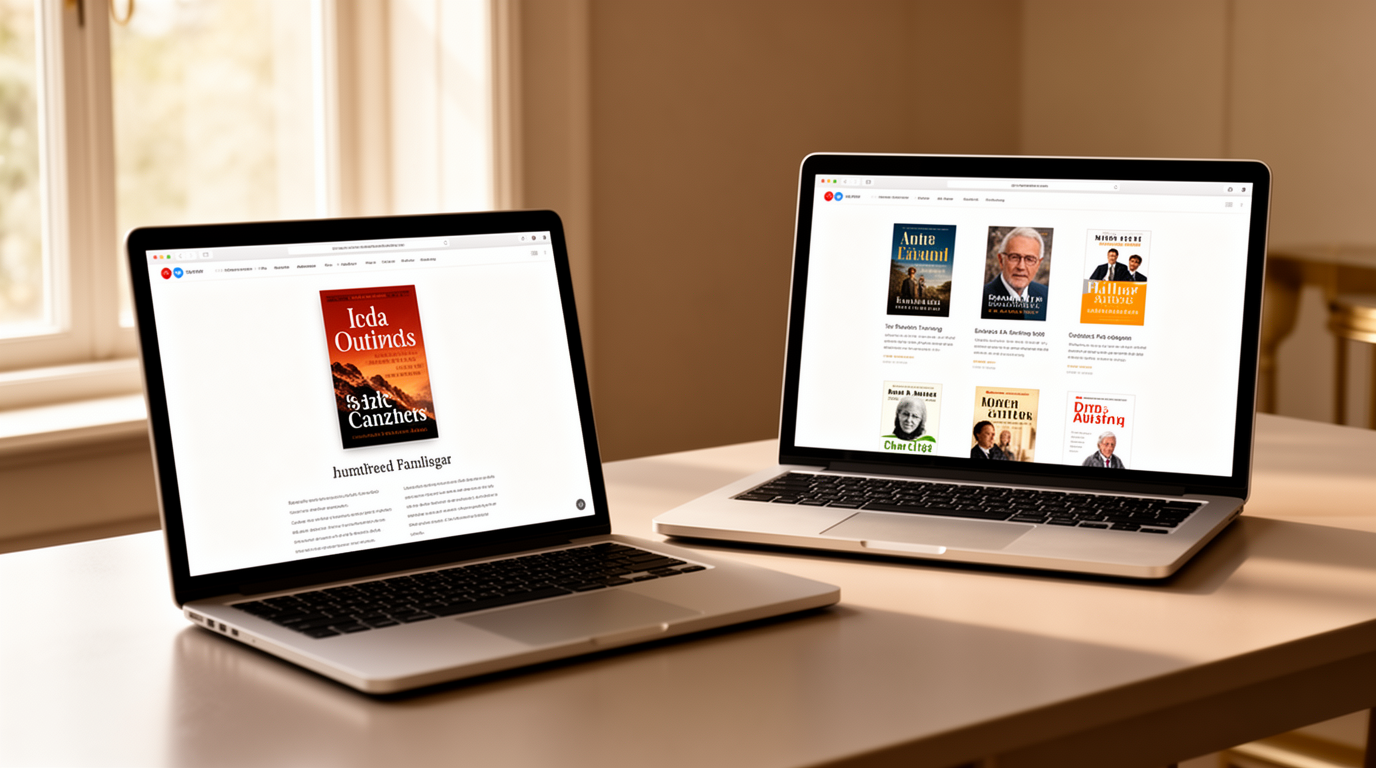
Screenshots and search results are weak evidence alone. Record the library, platform, format, edition or ISBN when shown, availability state, and date checked. Confirm that the page offers an eligible patron a borrow or hold action rather than only bibliographic information.
Questions for a distributor or aggregator
Ask which library platforms or wholesalers are supplied, which countries are covered, which licence models are offered, and who controls the library price. Ask how royalties are calculated and reported for purchases, renewals, subscriptions, or cost-per-circulation activity.
Confirm opt-in choices, metadata update paths, digital-rights management, and what happens after a distributor change. Answers should appear in an agreement or current help documentation. A pitch that says only library distribution does not explain reach or economics.
Distribution is not selection. A distributor can make a book eligible for acquisition, while each library applies its collection policy, budget, demand signals, and vendor relationships. Supply-channel availability does not prove a library licensed the title.
Prepare an ebook libraries can evaluate
A sound EPUB, accessible navigation, reliable metadata, and a professional cover make the edition easier to handle. Keep title, subtitle, author, contributors, language, publication date, and identifiers consistent across the file and feeds. Verify that records point to the intended edition.
Use a clear reader-focused description, accurate subjects, and tested sample pages. Check navigation, tables, alternative text, and contrast. Accessibility is part of product quality, not a promotional label to claim without testing.
Evaluate access without overstating it
A library ebook placement can support reach and reader access, but its value depends on availability and terms. Track where the edition appears, whether it is borrowable, what model the distributor reports, and what compensation statements show. Do not invent circulation or infer behaviour from a listing.
Ask which edition is available, through which channel, under what lending model, and how a reader can access it. That turns a vague badge of legitimacy into a decision authors can examine.
Frequently asked questions
Does a library own an ebook when it adds it to its catalogue?
Usually, the library receives access under a licence from a publisher, distributor, or platform rather than unrestricted ownership of the ebook file. The exact rights and duration depend on the agreement attached to that edition.
What is one-copy, one-user ebook licensing?
It is a lending model in which one licensed digital copy can be checked out to one borrower at a time. Other readers may need to place a hold until that checkout ends.
What does metered access mean for a library ebook?
Metered access means the licence ends after a defined period, a defined number of checkouts, or another contractual limit. The library may need to renew the licence to keep offering the title.
Is perpetual access the same as owning the ebook file?
No. Perpetual access generally means the library can keep lending the licensed edition without a routine expiry, but access can still depend on the contract, platform, technical controls, and permitted uses.
Why can a library ebook disappear from the catalogue?
A title may disappear because a licence expired, a checkout limit was reached, a vendor or publisher changed availability, or the library changed its collection. The catalogue alone may not reveal which reason applies.
Does an ebook checkout count as a new book sale?
Not necessarily. A checkout is a use of the library's existing licence. Author earnings depend on how the publisher, distributor, or platform acquired and reports that licence, so authors should check their own agreement.
Can self-published authors make ebooks available to libraries?
Yes, when their distributor or aggregator supplies the relevant library channels and the ebook meets those channels' requirements. Availability does not guarantee that an individual library will select or license the title.
How should authors verify a digital library placement?
Check the library catalogue and lending platform for the correct title, author, format, edition, and identifier. Record the date and access status, and distinguish a searchable record from an ebook that borrowers can actually check out.
Comments